
Last updated: November 11, 2026
Key Takeaways
- Start with the category, not the product photo.
- Check fit first: mount points, width, and deck space.
- Begin with one accessory that solves one problem.
- Avoid gear that adds complexity before control.
kayakfishingaccessories.net is the kind of site you open when you want kayak fishing gear without sorting through a dozen random categories. Start by looking for the store’s main accessory groups on kayakfishingaccessories.net, then check compatibility, mounting style, and current stock before you buy. The checklist below settles what to look at first and what to skip.
What should I check first on kayakfishingaccessories.net?

Start with the product category, not the product photo. If a site is built around kayak fishing accessories, the first thing that matters is whether the item fits your kayak’s layout, your style of fishing, and the hardware you already have.
That sounds plain, but it saves money fast. Compatibility beats features when you’re mounting gear on a kayak deck with limited space, scupper holes, rails, and hatches.
- Look for mounting type: track, flush, clamp, or adhesive.
- Check whether the listing names the kayak model or a universal fit.
- Read the product dimensions, not just the headline.
- Note whether the package includes hardware or only the accessory body.
If the site gives you a brand list, use it. A shop that focuses on kayak fishing gear often groups items by use case: rod holders, anchors, crate add-ons, tackle storage, paddle holders, safety items, and lighting. That helps you shop by need instead of by gadget.
How do I know if a kayak accessory will fit my setup?
A fit check is the whole game, and it starts with your kayak’s mounting points, width, and deck space. A rod holder that looks universal can still be wrong if it needs a track system you don’t have.
Picture this: you’re trying to mount a new accessory before a weekend trip, and the bag says “fits most kayaks,” but the base needs a rail you never installed. That’s the kind of mismatch that turns a quick upgrade into a return. Measure first, buy second.
- Measure the area where the accessory will sit.
- Identify your deck hardware: rails, flush mounts, or open deck only.
- Check whether the part needs drilling.
- Look for weight limits if the item holds gear off the deck.
The best listings usually spell out what the product needs to work, and the strongest ones name the mount type. The weak ones use broad words like “universal” and leave the hard part to you. If a listing does not say how it mounts, that silence is a warning.
Which accessories make the most sense for a beginner?

The safest beginner buys are the accessories that solve one problem at a time, because a simple setup is easier to learn and easier to change later. A rod holder, a paddle holder, and dry storage beat a complicated stack of add-ons because each one has a clear job and a clear failure mode.
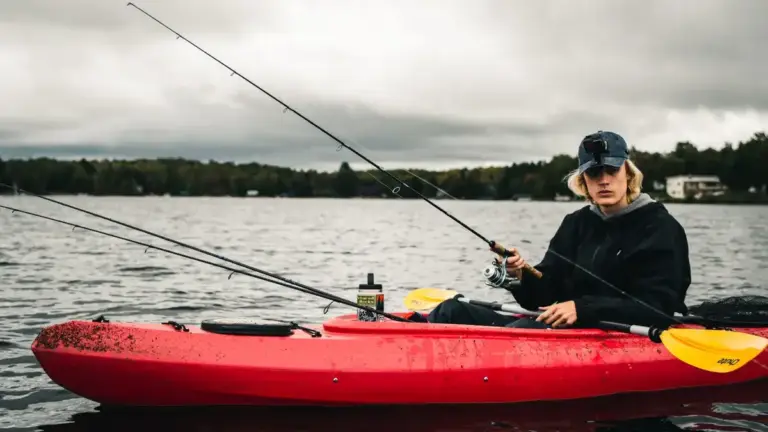
Picture this: you’re setting up your first fishing kayak and you want the boat cleaner, not busier. You do not need every accessory on day one. You need the pieces that keep rods secure, hands free, and gear dry. Simple wins early.
Good starter categories include:
- Rod holders for hands-free trolling or staging rods
- Paddle holders so the paddle isn’t always in the way
- Small tackle storage for lures, hooks, and leaders
- Anchor systems if you fish current, wind, or shoreline structure
- Safety lights or reflectors if you launch in low light
The catch is space. Every accessory uses deck real estate, and kayak decks run out fast. A beginner should avoid buying two items that fight for the same corner of the boat, especially if one of them blocks a hatch or a seat adjustment.
What should I skip when I’m just starting out?
Skip anything that adds complexity before it adds control. A big crate system, a web of mounts, or a pile of specialty holders can make a kayak harder to fish from, not easier.
On the flip side, some add-ons are worth postponing because they solve advanced problems, not beginner ones. If the site offers accessories for electronics, multi-rod layouts, or heavily customized deck rigs, those are better left for the stage when you know exactly how you fish. Too much hardware gets in the way.
Avoid these early mistakes:
- Buying accessories before you know your exact kayak layout
- Choosing gear that needs permanent drilling on a boat you may still modify
- Loading the deck with holders you won’t use on every trip
- Mixing parts from different mounting systems without checking adapter needs
A clean beginner setup should be easy to launch, paddle, land, and clean. If an accessory makes any of those four jobs harder, it needs a better reason to be on the boat.
What makes a kayak accessory page worth trusting?
A trustworthy page tells you what the part does, how it mounts, and what it does not include. That sounds basic, but a lot of listings bury the useful detail in vague copy and close-up photos.
The truth is, the strongest product pages name the real specs. A rod holder page should say whether it is fixed or adjustable, what it attaches to, and whether it includes hardware. A crate accessory should say the size or fit range. A safety item should say the standard or the rated use, if one applies. Clear specs beat slick words.
A good page usually gives you:
- The mounting method in plain language
- Exact dimensions or fit notes
- What comes in the box
- Any drilling or tools needed
- The use case it is built for
If a page is light on specs, slow down. You should be able to answer, in one glance, “Will this fit my kayak?” and “Will this solve my problem?” If not, the listing is not ready for your money.
How do I shop kayakfishingaccessories.net without wasting money?
Shop from the problem out, not from the catalog in. The right order is: decide the job, check the mount, compare the size, then look at the extras that matter.
Picture this: you’re comparing two accessories that look almost the same, but one needs extra hardware and the other fits your existing track. That small difference can matter more than the finish, the brand name, or the product photo. Fit and hardware come first.
Use this order:
- Name the problem you want solved.
- Check your kayak’s mounting setup.
- Read the dimensions and included parts.
- Compare products that solve the same job.
- Skip the one that needs extra parts you do not already own.
I’d treat any site like this as a shortlist tool, not a blind checkout button, and I’d still verify fit with the product details or a gear expert before buying. The best result is a setup that matches your boat, your fishery, and your launch style. If the site helps you find that match quickly, it’s doing its job.
The verdict: how to use the site well on your first visit
Use kayakfishingaccessories.net as a focused shop for kayak-specific gear, not as a place to browse aimlessly. If you already know your kayak setup, it can help you move fast. If you don’t know your mounts, measurements, or target use, slow down and map those first.
Choose a simple accessory if you’re fitting out a kayak for the first time and want fewer moving parts. Choose a more specialized item if your kayak already has the hardware and your fishing style calls for it. Do not buy around a guess.
- Best fit: a beginner who needs one clear job solved
- Better fit for advanced rigs: an angler who already knows the mount system
- Wrong fit: anyone shopping before measuring the boat
The site makes the most sense when you already know what the kayak needs. That’s the clean path. For background on safe kayak setup and carrying gear, see the U.S. Coast Guard’s boating safety guidance and NRS’s kayak rigging resources. U.S. Coast Guard boating safety; NRS kayak rigging guide.
What if I’m not sure what accessory I need yet?
Start with the pain point on the water, not with the accessory aisle. If rods are sliding around, buy a rod holder. If your paddle keeps cluttering the deck, get a paddle holder. If tackle is getting wet, look at storage next.
Picture this: you’re on the water and the annoyance is obvious—something is always in the way. That’s the best clue you’ll get. Fix the worst problem first.
A simple rule helps:
- One problem = one accessory
- Two problems that share the same spot = choose the one you use most
- A problem you only notice once a month = leave it alone for now
This keeps the kayak light, open, and easy to manage. It also keeps the budget honest.
What if the listing doesn’t say enough?
Skip it unless you can verify the fit from the photos and specs. A missing mount type, missing dimensions, or missing contents list is a bad sign on any accessory page.
What if I fish different kayaks?
Buy universal items only when the mounting system is truly common. If you move gear between boats often, the best purchase is the one that transfers without tools or extra parts.
What if I want the most useful first upgrade?
Start with the item that removes the most deck clutter. For many beginners, that is a rod holder or paddle holder, not a fancy rigging part.
FAQ
Is kayakfishingaccessories.net good for beginners?
Yes, if you use it to solve one setup problem at a time. A beginner gets the most value from clear categories, simple fit checks, and accessories that do not require a complicated install.
What should I know before buying from it?
Know your kayak’s mount type, available deck space, and the job you want the accessory to do. If you do not have those three things, you’re guessing—and guessing is how people buy the wrong part.
Should I buy the biggest or most feature-rich accessory?
No. Bigger and busier is not better on a kayak deck. Pick the smallest item that solves the problem cleanly and leaves room for paddling, landing fish, and moving your gear.
What is the safest first purchase?
A simple accessory with a clear mount and a single purpose is the safest first buy. That usually means a rod holder, paddle holder, or small storage piece rather than a full rigging overhaul.
Drafted with AI; not yet reviewed by a person.





2 thoughts on “Getting started with kayakfishingaccessories.net”