Last updated: November 15, 2026
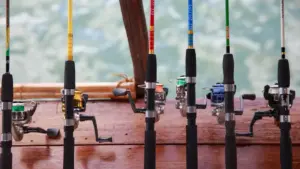
Quick Answer: choose 1 of 3 holder types for kayak trolling rod holders for offshore and moving-water fishing. Kayak trolling rod holders solve one problem: keeping a trolling rod secure, ready, and out of the way while the boat is in current or offshore chop. Choose a locking, high-angle setup on a solid mount, not a loose clip-on. The sections below settle angle, load, security, and which setup fits your kayak. For related rigging basics, see kayak rod storage and kayak deck rigging.
Key Takeaways
- Skip this setup if your rod only rides in calm water.
- The most secure mount is the one that resists side load and stays reachable.
- A trolling rod should sit at a steady angle with clear tip, straight line, and easy reel access.
- A secure holder usually needs a stop, a firm base, and retention that limits vibration movement.
Our Top 3 Picks at a Glance
| Product / Option | Best For | Core Spec | Standout Feature | Action |
|---|---|---|---|---|
| Locking high-angle holder | Offshore paddlers and current-heavy water | Steep carry angle, positive lock | Helps keep the rod from walking out when the kayak rolls | Buy if you want the safest all-around trolling setup. Skip if your rod only stays in calm water. |
| Adjustable track-mounted holder | Anglers who change rod position often | Slides on a track system | Fast angle changes without drilling a new hole | Buy if you already have a track and want flexible placement. Skip if your kayak has no track system and you do not want extra hardware. |
| Heavy-duty crate or bracket mount | Fishing with a stern crate or rigid deck space | Rigid bracket support | Spreads load on a bigger base | Buy if your setup already uses a crate mount or stiff deck panel. Skip if you need a low-profile cockpit with less clutter. |
Kayak Trolling Rod Holders: what matters first
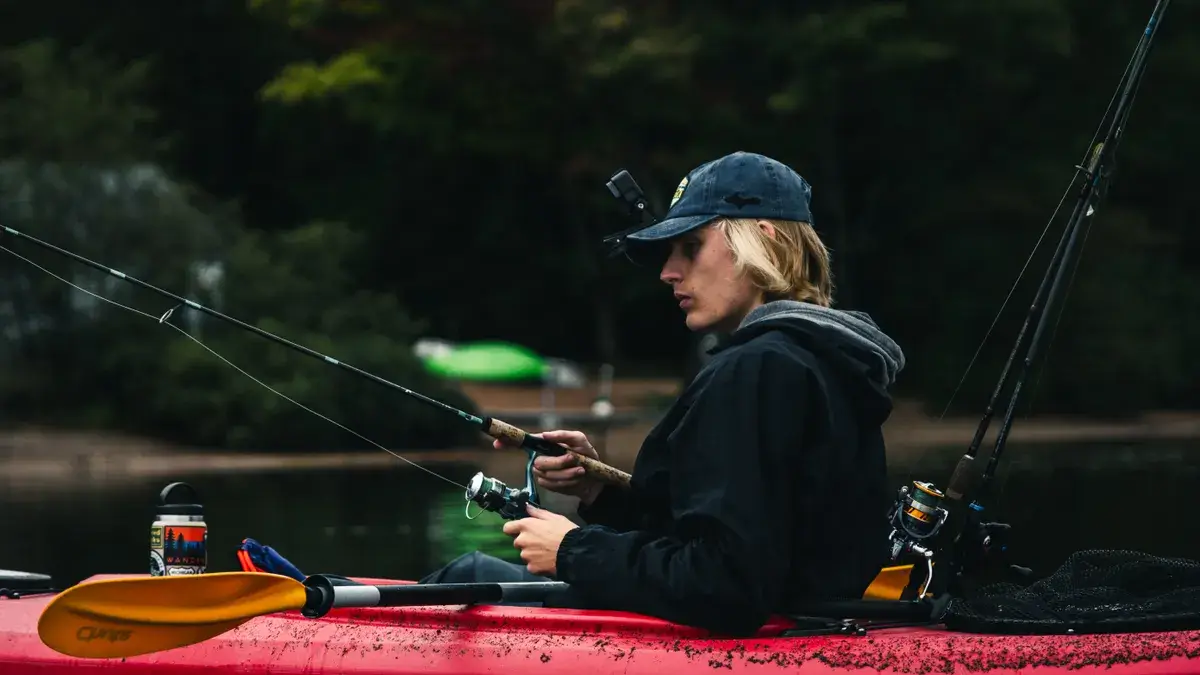
Kayak trolling rod holders are about load, angle, and retention, not just storage. A trolling rod keeps pulling even when the lure is swimming clean, and moving water adds shock when the kayak swings, yaws, or broaches. That means the holder has to resist twist, not just sit there and look tidy. The U.S. Coast Guard’s boating safety guidance and the American Boat and Yacht Council’s hardware guidance both support the same idea: gear under load needs secure attachment, not just a convenient fit. See the U.S. Coast Guard boating safety page and ABYC for general safety guidance.
Here’s the catch: a holder that works for a spare rod may fail the first time a fish hits or the kayak slaps a wave. The real question is whether the rod stays put when the boat moves, not whether the tube fits the blank. For that reason, rod holder mounts matter as much as the holder itself.
Use these as your first filter:
- Locking or retained opening instead of a loose sleeve
- Rigid mount point that does not flex under side load
- Steeper carry angle that keeps the rod tip clear of spray and paddle stroke
- Access with one hand so you can clear the rod fast when a fish hits
- Enough clearance for the reel, the line, and your seat position
The U.S. Coast Guard’s boating safety guidance and the American Boat and Yacht Council’s hardware standards language both point to the same idea: gear that sees force needs secure attachment, not just a convenient fit. That is the right mindset here.
Which mount style fits offshore and current?
The most suitable mount style is the one that resists side load and keeps the rod where you can reach it. A track system gives the most adjustment, a gunwale or hard side gives a stiff base, and a crate mount works when the rear deck is already built around a crate.
A soft or thin base is the problem. If the holder can twist, the rod will lean, rub, and pop free when the kayak gets hit from the side. That is a bad trade in moving water. If you are comparing hardware, check kayak track accessories before you buy a new mount.
| Mount style | Strength | Weak point | Best use |
|---|---|---|---|
| Track system | Easy repositioning and angle change | Can loosen if the hardware is light | Anglers who tune rod position often |
| Gunwale mount | Direct, stiff attachment | Less forgiving if the deck shape is awkward | Wider kayaks with a solid side rail |
| Crate mount | Good for stern-heavy trolling rigs | Adds height and can clutter the rear deck | Kayaks already set up with a crate |
| Clamp-style mount | Simple and quick | Can slip on thin or rounded surfaces | Temporary setup, not heavy trolling |
The main advantage is stiffness. A 2-point contact base usually beats a single loose clamp because it spreads the load and reduces rotation.
How should a trolling rod sit in the holder?
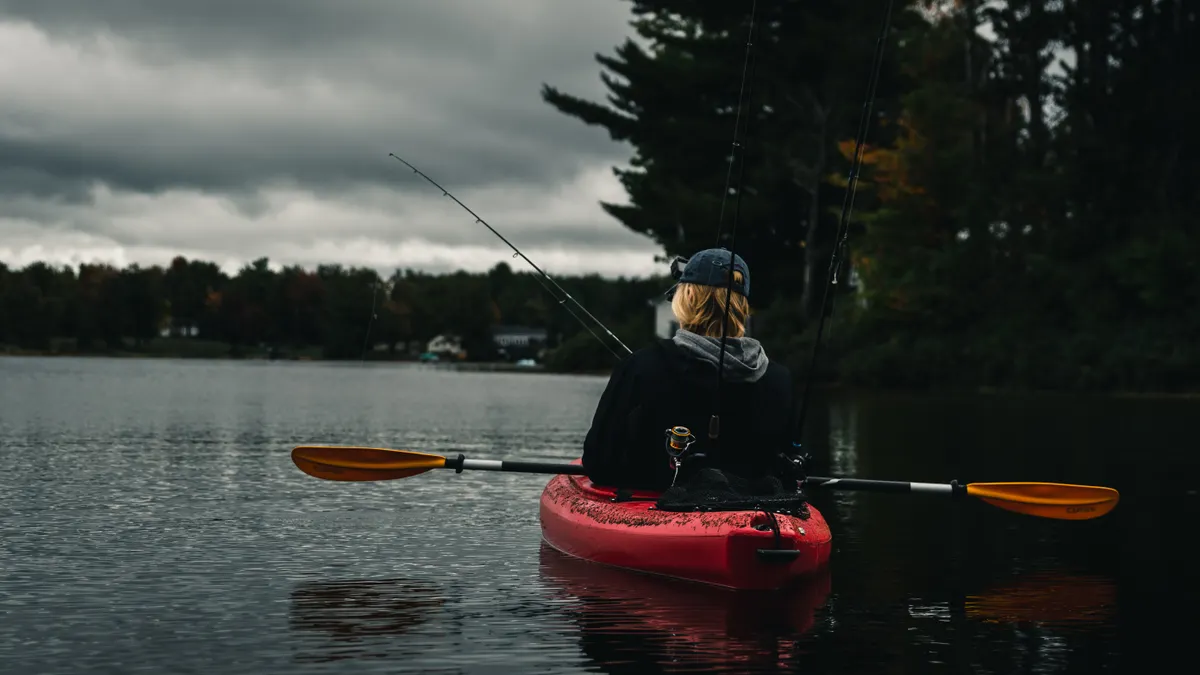
A trolling rod should sit at a stable angle that keeps the tip clear, the line straight, and the reel easy to reach. In moving water, too flat invites splash and reel drag; too upright can make the rod harder to clear when a fish eats.
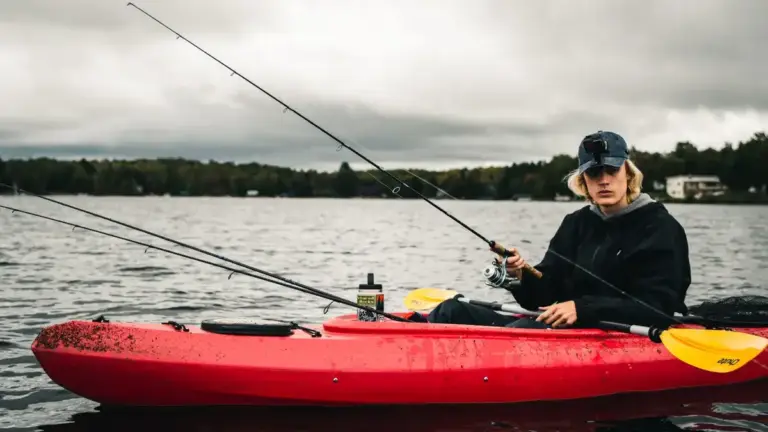
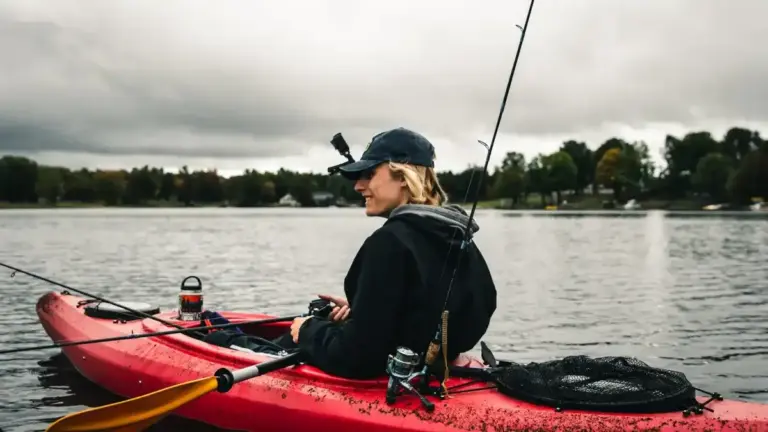
Picture this: you are drifting a current seam and the kayak keeps turning broadside for a second at a time. The holder has to keep the rod out of the water, out of your paddle path, and ready to grab without snagging the line on the seat or crate.
The practical setup looks like this:
- Set the holder angle first. Aim for a position that keeps the tip high enough to miss spray and short enough that you can still reach the reel without standing.
- Check blank clearance. The rod should not rub on the holder lip or flex against the mount when the kayak rolls.
- Load the line path. Run the line so it leaves the reel cleanly and does not cross the seat frame, crate edge, or paddle stroke.
- Tighten the retention point. Use the latch, strap, or collar so the rod cannot bounce out when the hull slaps a wake.
- Shake the mount by hand. If the base rocks, the angle is wrong or the platform is too soft for trolling duty.
- Do a seated reach test. You should be able to grab the reel and lift the rod in one clean motion.
A good trolling setup is not about a perfect number. It is about a repeatable angle that works in a current seam, on a drift, and on a short offshore run. If you want a deeper gear checklist, see kayak fishing setup.
What makes a holder secure when the boat moves?
A secure holder has a positive stop, a tight base, and a shape that keeps the rod from walking out under vibration. A plain tube with no retention is fine for calm storage. It is not enough for offshore chop or fast current.
The truth is, most failures come from three places: the mount flexes, the rod bounces, or the reel hits something and shifts the whole setup. None of those problems need a big wave. A short, ugly wake can do it.
Look for these security features:
- Locking collar or strap to hold the rod in place
- Thick mounting plate that does not flex
- Rounded edges so the blank and line do not chafe
- Reel clearance for larger trolling reels
- Corrosion-resistant hardware for salt and spray
On the flip side, avoid holders that rely on friction alone. A smooth tube and a soft plastic body can work on a pond. They are a poor bet when the kayak is moving through current, wake, or chop. A positive retention point is worth far more than a pretty finish. For saltwater care, see kayak corrosion protection.
Which kayak setups work best for trolling?
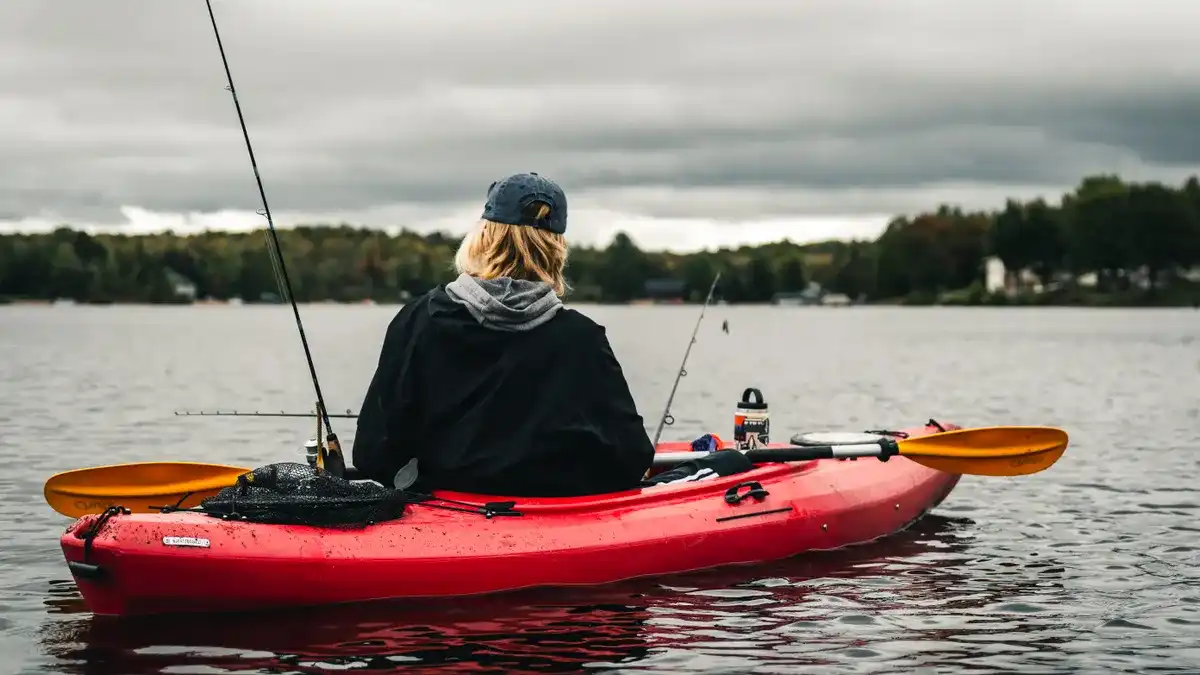
The best trolling setups are the ones that keep the rod away from your stroke, your legs, and your landing space. A stern crate setup works for anglers who keep gear aft, while a side-mounted track system works better when you want fast access and a cleaner deck.
Picture this: you are fishing offshore or on a fast river edge, and the kayak keeps changing angle every few seconds. The right setup gives you room to paddle, room to land a fish, and room to react when the rod loads up.
Use this quick match guide:
- Rear deck crate mount: Best if you already carry a crate and want the rod farther behind your seat.
- Track-mounted holder: Best if you want to slide the holder forward or back without drilling new holes.
- Gunwale-mounted holder: Best if your kayak has a stiff side edge and you want a solid base.
- Low-profile cockpit setup: Best if you need less clutter and more leg room, though it usually gives up some trolling control.
The trade-off is simple. A higher, more exposed rod position is easier to grab, but it catches more wind and spray. A lower position feels tidy, but it can bury the tip near the water and make a strike harder to manage. Stability beats convenience when the current is moving.
Common mistakes that cause lost rods
The most common mistakes are using the wrong mount, ignoring side load, and treating a trolling rod like a spare rod. Each one costs you control, and in moving water that can mean a rod sliding free or a reel taking a hard knock.
Picture this: the kayak turns fast, the rod tip dips, and the holder shifts just enough for the blank to jump. That is not a rare edge case. It is what happens when the holder is built for storage, not for load.
Here are the mistakes that matter most:
-
Using a light-duty holder for heavy trolling pressure
Cost: the rod works itself loose or the base twists.
Do instead: choose a stiff mount with real retention. -
Mounting on flexy plastic without support
Cost: the holder moves every time the kayak slaps.
Do instead: use a rigid base, a track system, or a crate mount that spreads force. -
Pointing the rod where the paddle hits it
Cost: snagged line, clumsy strokes, and broken rhythm.
Do instead: set the holder so the paddle path stays clear. -
Leaving the reel too close to deck clutter
Cost: poor access when a fish strikes.
Do instead: keep the reel clear of crate corners, seat bars, and loose rigging. -
Skipping a hand-check before launch
Cost: a bad angle goes unnoticed until water pressure finds it.
Do instead: grab the rod, rock the mount, and confirm the lock every time.
A holder that fails under side load is worse than no holder at all. It gives false confidence.
What should you buy if your fishing shifts from rivers to offshore?
You should buy the most secure mount your kayak can support, then tune the angle for the water you fish most. If your days move between rivers, tidal current, and offshore chop, the best fit is usually an adjustable holder on a stiff base, not a fixed tube with no retention.
Here is the cleanest way to choose:
- Choose a locking high-angle holder if your priority is rod security in rougher water.
- Choose an adjustable track-mounted holder if you want one setup that can move between trolling, drifting, and staging a second rod.
- Choose a heavy-duty crate or bracket mount if the kayak already runs a rear storage crate and you want a stronger platform without reworking the deck.
This is not the right purchase for someone who only wants a place to park a rod between casts on calm water. A simpler holder will do that job. But for trolling in current or offshore chop, the holder has to act like part of the boat, not like an accessory sitting on it.
For the broader rod-handling picture, the hub on rod storage and rod handling ties this choice back to the rest of the kayak setup. That is the right next stop once the trolling mount is sorted.
Bottom line
A good kayak trolling rod holder for offshore and moving-water fishing is stiff, secured, and easy to reach. If the mount flexes, the rod sits too loose, or the angle fights your paddle stroke, it is the wrong setup. Pick for load first, convenience second, and the whole kayak feels more controlled.
Drafted with AI; not yet reviewed by a person.